incorporating ● UK MISOPHONIA (SOUND SENSITIVITY) SUPPORT GROUP ● MISOPHONIA RESEARCH FOUNDATION and ● MISOFONIA WORLDWIDE TOP PAGES:
●Tell us your worst trigger! ● In a hurry, but want to know more? Download a leaflet! ● Read about misophonia in your language! Spanish NEW! ● The Misophonia Activation Scale, a clinical tool. NEW! BBC Radio 4 feature on misophonia Check out the BBC Radio 4 feature on misophonia, aired on 6 August 2013 during their show "Word of Mouth" . Chris Ledgard meets people with a condition that isn't that widely acknowledged by many General Practitioners: misophonia. People who have it suffer extreme adverse reactions to sounds created by other human beings; frequently breathing or eating sounds. Chris asks about the scientific research that is being undertaken, both in the UK and abroad. here. Wellcome Centre fMRI study Dr Sukhbinder Kumar and his team at the Wellcome Centre for Neuroimaging have now received enough questionnaires to be able to proceed with the fMRI study. He is very grateful for the level of interest shown! Those being invited to participate will be contacted in due course. ● Kelly Ripa Diagnoses Herself With Mysterious Neurological Disorder.
● NBC's Today programme segment ● Irish Times article "I feel such revulsion, I want to scream" ● New York Times articles 1 and 2 on misophonia ● Check out this video. ● Misophonia is now listed on the UK Database of Uncertainties about the Effects of Treatments (DUETs) on the NHS Evidence website. ● Misophonia UK is proud to announce that we have just joined the James Lind Alliance - working together to secure greater patient involvement in clinical research. ● Man shot dead "for complaining about loud eating" during showing of Black Swan ● Check out the new US website: Misophonia ● Film-maker looking for volunteers for documentary about misophonia. Click here for more. ● We are now listed on the leading UK health website Patient UK. Many thanks are due to Dr Tim Kenny and his review team. ● FREE! self-hypnosis sound file and helpful tips in Dealing with misophonia. ● New autism drug “dampens sensitivity to loud noises.” ● Play white noise on any computer with internet access, download a free 60-minute thunderstorm soundfile, or buy a colour noise player app for your i-Pod for 59p. COMING SOON: ● Download a coping skills starter pack ● Misophonia and the Equality Act 2010: what are your rights? ● Misophonia Matters, the inaugural issue! Thought for the day
Don't walk behind me; I may not lead. Don't walk in front of me; I may not follow. Just walk beside me and be my friend. Albert Camus |
|









Welcome to the UK's first comprehensive misophonia internet resource!
Misophonia UK campaigns for greater recognition of this medical condition amongst the healthcare communities, people with misophonia themselves, and the public at large.
We run UK Misophonia (Sound Sensitivity) Support Group, and Misophonia Research Foundation, which is dedicated to finding out about the causes of misophonia and ways to treat it, and to clarifying how many people in the UK have the disorder. Misofonia Worldwide is providing information about misophonia in a growing number of languages. Download a leaflet about misophonia in your mother tongue today!
How can we help?
● If you have, or think you have, misophonia, click here.
● If you're a doctor or health professional, click here.
● If you're the family member, friend or colleague of someone with misophonia, click here.
Perhaps you can help us! If you'd like to join in, find out how by clicking here.
Misophonia UK campaigns for greater recognition of this medical condition amongst the healthcare communities, people with misophonia themselves, and the public at large.
We run UK Misophonia (Sound Sensitivity) Support Group, and Misophonia Research Foundation, which is dedicated to finding out about the causes of misophonia and ways to treat it, and to clarifying how many people in the UK have the disorder. Misofonia Worldwide is providing information about misophonia in a growing number of languages. Download a leaflet about misophonia in your mother tongue today!
How can we help?
● If you have, or think you have, misophonia, click here.
● If you're a doctor or health professional, click here.
● If you're the family member, friend or colleague of someone with misophonia, click here.
Perhaps you can help us! If you'd like to join in, find out how by clicking here.
Search our site
What is misophonia?
Misophonia, also known as selective sound sensitivity syndrome, is a newly-diagnosed neuro-otological disorder that affects children and adults. Sufferers can feel immediate and intense rage at others’ eating and breathing sounds, about which they become hyper-aware and obsessed, sometimes with an ability to recall trigger incidents years after the event. The condition often sets off a “fight or flight” panic reaction in the sufferer and has been responsible for ruining relationships, breaking up families and leaving those most acutely affected suicidal.
People understandably do not like being told they are noisy eaters and breathers, and often react with hurt or ridicule, and certainly a lack of compassion. They may make the noise deliberately more often and more loudly to taunt the sufferer. Even normally caring parents will tell a child to simply “grow out of it.” Children are particularly vulnerable, both as sufferers of the condition and as victims of a broken home. [If you are the friend or family member of a sufferer, please click here.]
Some people with misophonia have lost their employment, and even become unemployable, as a result of their intolerance of colleagues.
See our list of FAQs.
People understandably do not like being told they are noisy eaters and breathers, and often react with hurt or ridicule, and certainly a lack of compassion. They may make the noise deliberately more often and more loudly to taunt the sufferer. Even normally caring parents will tell a child to simply “grow out of it.” Children are particularly vulnerable, both as sufferers of the condition and as victims of a broken home. [If you are the friend or family member of a sufferer, please click here.]
Some people with misophonia have lost their employment, and even become unemployable, as a result of their intolerance of colleagues.
See our list of FAQs.
Why misophonia deserves greater recognition
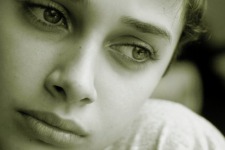
Many people have sounds they don't like, such as chalk screeching against a blackboard or noisy eating in the cinema. But clinical misophonia is different. It's a serious progressive illness which has wrecked lives and destroyed relationships, particularly with sufferers’ nearest and dearest, leading to estrangement and even break-up. For this reason, we call misophonia “the Midas disorder”.
The usual age of onset is in childhood. Misophonia hits children particularly hard – at crucial stages in their education and development.
Triggers can multiply to such an extent that, in extreme cases, a sufferer is rendered housebound and alone.
Misophonia used to be the "invisible" disorder. Patients were once not taken seriously, or simply couldn’t be helped, by their doctors, But sufferers are now mobilising in online communities. Misophonia is one of the first fully-fledged diagnoses of the Internet age.
A common refrain is “I thought I was the only one in the world, until I discovered my condition had a name. I'm so glad there are people out there who understand what I am going through. My family certainly don't”. Misophonia can be a uniquely isolating disorder. With greater public awareness, some of that isolation can be addressed.
The fact is that misophonia is a syndrome. It has a known set of recognisable symptoms. As is the case in many medical conditions, these may vary in intensity from person to person.
It is likely to be widespread. However, not enough is currently known about its aetiology (cause) or epidemiology (incidence and prevalence). See below.
Progress in research has been hindered by the fact that misophonia is a multi-specialty disorder. It requires input from audiological physicians, neurologists, psychiatrists and psychologists.
There is no known cure, although some practitioners have reported improvements with particular treatments (Tinnitus Retraining Therapy (TRT), Cognitive Behavioural Therapy (CBT), hypnosis, use of coloured noise, etc). These remain of disputed efficacy.
Coping strategies (talking over what is an intensely personal condition with those most affected, allowing the sufferer to avoid intensely problematic situations such as family mealtimes, masking problem sounds with ambient noise or music, etc) will become more effective with third-party understanding and compliance.
The usual age of onset is in childhood. Misophonia hits children particularly hard – at crucial stages in their education and development.
Triggers can multiply to such an extent that, in extreme cases, a sufferer is rendered housebound and alone.
Misophonia used to be the "invisible" disorder. Patients were once not taken seriously, or simply couldn’t be helped, by their doctors, But sufferers are now mobilising in online communities. Misophonia is one of the first fully-fledged diagnoses of the Internet age.
A common refrain is “I thought I was the only one in the world, until I discovered my condition had a name. I'm so glad there are people out there who understand what I am going through. My family certainly don't”. Misophonia can be a uniquely isolating disorder. With greater public awareness, some of that isolation can be addressed.
The fact is that misophonia is a syndrome. It has a known set of recognisable symptoms. As is the case in many medical conditions, these may vary in intensity from person to person.
It is likely to be widespread. However, not enough is currently known about its aetiology (cause) or epidemiology (incidence and prevalence). See below.
Progress in research has been hindered by the fact that misophonia is a multi-specialty disorder. It requires input from audiological physicians, neurologists, psychiatrists and psychologists.
There is no known cure, although some practitioners have reported improvements with particular treatments (Tinnitus Retraining Therapy (TRT), Cognitive Behavioural Therapy (CBT), hypnosis, use of coloured noise, etc). These remain of disputed efficacy.
Coping strategies (talking over what is an intensely personal condition with those most affected, allowing the sufferer to avoid intensely problematic situations such as family mealtimes, masking problem sounds with ambient noise or music, etc) will become more effective with third-party understanding and compliance.
Our campaigns
● To foster greater recognition in the medical and research communities
● To raise funds for research into the epidemiology (incidence and prevalence) and aetiology (causes) of misophonia.
● To encourage more media coverage of the condition
● To stimulate greater public awareness
● To secure funding for a telephone helpline - MIDAS (Misophonia Disorder Active Support)
● To foster greater recognition in the medical and research communities
● To raise funds for research into the epidemiology (incidence and prevalence) and aetiology (causes) of misophonia.
● To encourage more media coverage of the condition
● To stimulate greater public awareness
● To secure funding for a telephone helpline - MIDAS (Misophonia Disorder Active Support)
Current initiatives
● Publishing a list of current therapies and coping strategies. Click here.
● Developing a list of recognised misophonia consultants. Currently in preparation.
● Publishing Misophonia Matters – our occasional newsletter - incorporating a research update. For further details, click here.
● Creating an awareness ribbon for misophonia. Ribbon brooches will be available from this link.
● An awareness day for misophonia in the UK – the first Monday in May – which will be known as “Misophonia Monday”.
● Identification of celebrity sufferers (only with their consent!)
●The institution of a bi-annual international conference on misophonia
● Publishing a list of current therapies and coping strategies. Click here.
● Developing a list of recognised misophonia consultants. Currently in preparation.
● Publishing Misophonia Matters – our occasional newsletter - incorporating a research update. For further details, click here.
● Creating an awareness ribbon for misophonia. Ribbon brooches will be available from this link.
● An awareness day for misophonia in the UK – the first Monday in May – which will be known as “Misophonia Monday”.
● Identification of celebrity sufferers (only with their consent!)
●The institution of a bi-annual international conference on misophonia
How common is misophonia?

Misophonia UK is not aware of any reliable statistics on the full extent of the prevalence of misophonia which is why Misophonia Research Trust intends to commission independent professional surveys. What we can say is that the UK Misophonia Support Group currently has around 220 members while Dr Marsha Johnson’s US-based Yahoo 4S group has over 1,200 members (some are members of both groups). This site currently records around 90 hits a day.
Coelho, Sanchez and Tyler, of the Department of Otolaryngology at University of São Paulo Medical School, found that, from a sample of 506 schoolchildren aged 5 to 12, from 15 different schools, some 9% had phonophobia.
The Royal National Institute for Deaf People make the following estimate: most people have suffered from tinnitus at some time and about 40% of those also have hyperacusis or misophonia.
Coelho, Sanchez and Tyler, of the Department of Otolaryngology at University of São Paulo Medical School, found that, from a sample of 506 schoolchildren aged 5 to 12, from 15 different schools, some 9% had phonophobia.
The Royal National Institute for Deaf People make the following estimate: most people have suffered from tinnitus at some time and about 40% of those also have hyperacusis or misophonia.
Donating to Misophonia UK
Misophonia UK operates entirely through public donations. We currently receive no government funding. If you wish to make a donation of any amount, large or small, please click here.
Misophonia UK operates entirely through public donations. We currently receive no government funding. If you wish to make a donation of any amount, large or small, please click here.
Institutional status
Misophonia UK is an unincorporated not-for-profit organisation with wholly charitable objectives. We will shortly be seeking incorporation as a community interest company in the jurisdiction of England and Wales.
Misophonia UK is an unincorporated not-for-profit organisation with wholly charitable objectives. We will shortly be seeking incorporation as a community interest company in the jurisdiction of England and Wales.

Homepage | About us | For sufferers | For family & friends | For doctors | Get involved! | Publications | More info | Shop
Contact us | Our policies | Your privacy | Sitemap
Contact us | Our policies | Your privacy | Sitemap